


Understanding Freeze Warnings in the United States: What You Need to Know
Understanding Freeze Warnings in the United States
As temperatures begin to drop during the fall and winter months, one weather-related term starts trending across the United States: freeze warning. This article delves into what a freeze warning is, why it matters, and how you can prepare for the cold.
What is a Freeze Warning?
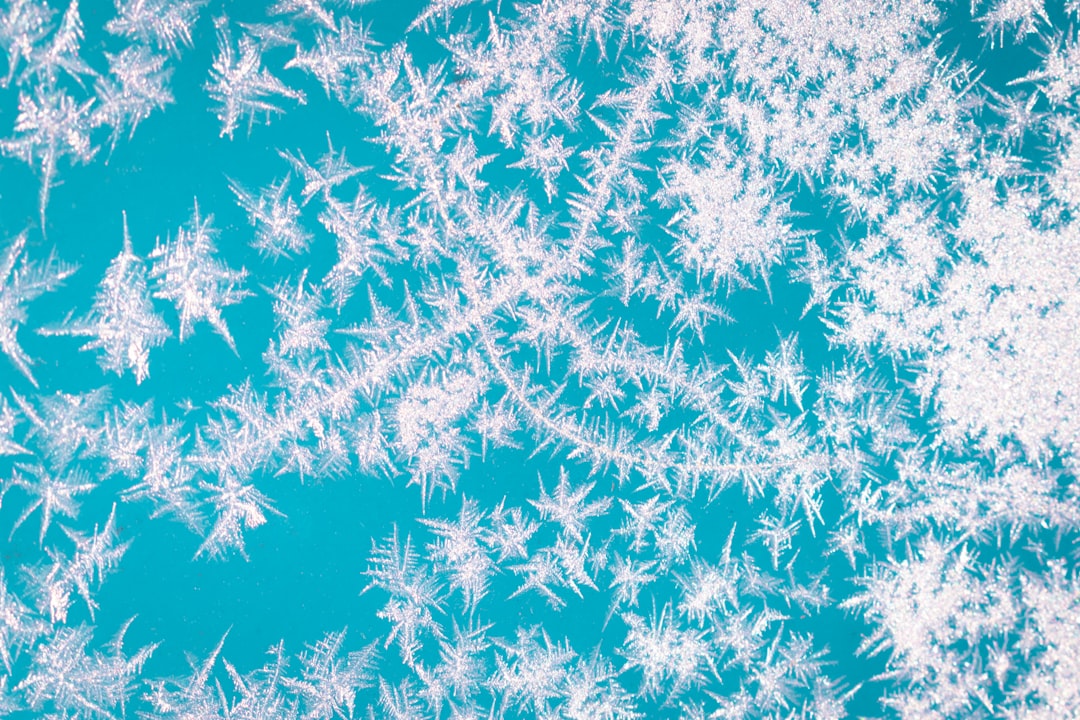
A freeze warning is issued by the National Weather Service (NWS) when there is a high likelihood of temperatures falling to 32°F (0°C) or lower for a significant period of time. Typically, these warnings are issued when cold air masses settle into an area, often following the first frosts of the season. Understanding the implications of a freeze warning is essential for residents, gardeners, farmers, and anyone who enjoys outdoor activities during the colder months.
Why Are Freeze Warnings Important?
Freeze warnings play a crucial role in alerting residents to the potential dangers of cold weather. When temperatures drop to freezing levels, several factors come into play:
- Impact on Agriculture: Farmers need to be aware of freeze warnings as sudden freezing temperatures can damage crops, particularly tender plants. This can lead to significant economic losses.
- Threat to Pets and Livestock: Animals can suffer from hypothermia or frostbite if not properly sheltered from the cold. Pet owners should ensure that their animals have access to warmth during these cold nights.
- Increased Risk of Illness: Cold weather can exacerbate health issues and lead to an increase in colds and flu. It’s essential to stay warm and follow health guidelines.
How to Prepare for a Freeze Warning
Preparation is key when a freeze warning is issued. Here are some practical steps to take:
- Protect Your Plants: Bring potted plants inside or cover outdoor plants with burlap or blankets to shield them from frost.
- Check Heating Systems: Ensure that your heating system is functioning efficiently to keep your home warm. Consider having it serviced before the cold sets in.
- Insulate Pipes: To prevent freezing and bursting, insulate water pipes that are exposed to the elements.
- Keep Supplies Handy: Stock up on food, water, and any necessary medications for both yourself and your pets.
- Stay Informed: Follow local news and weather channels for updates on freeze warnings and related news to stay prepared.
Recent Trends in Freeze Warnings Across the U.S.
This winter, we’ve seen an uptick in freeze warnings across various regions, particularly in the Midwest and Northeast United States. Meteorological patterns attributed to climate change have altered traditional weather expectations, leading to unexpected freeze events.
Social media platforms have been abuzz with discussions on how to cope with sudden cold snaps. Tips, personal experiences, and even humorous memes have been shared widely, highlighting the community’s engagement with weather patterns.
Conclusion: Stay Warm and Safe
Freeze warnings are a vital part of weather advisories during the colder months, serving as a crucial alert for individuals to take necessary precautions. By understanding what these warnings mean and how to prepare, residents can protect themselves, their property, and ensure the well-being of their loved ones during the winter season.
Always remember to stay informed and heed any advice from local authorities regarding severe weather.
Read Also:
Tonight's American Idol Contestants Trending in the United States
Source:
Google Trends
{“@context”:”https://schema.org”,”@type”:”FAQPage”,”mainEntity”:[{“@type”:”Question”,”name”:”What should I do during a freeze warning?”,”acceptedAnswer”:{“@type”:”Answer”,”text”:”During a freeze warning, protect plants, secure animals, check heating systems, and ensure you have enough supplies.”}},{“@type”:”Question”,”name”:”How long does a freeze warning last?”,”acceptedAnswer”:{“@type”:”Answer”,”text”:”A freeze warning typically lasts overnight but can vary based on local weather conditions and forecasts.”}}]}