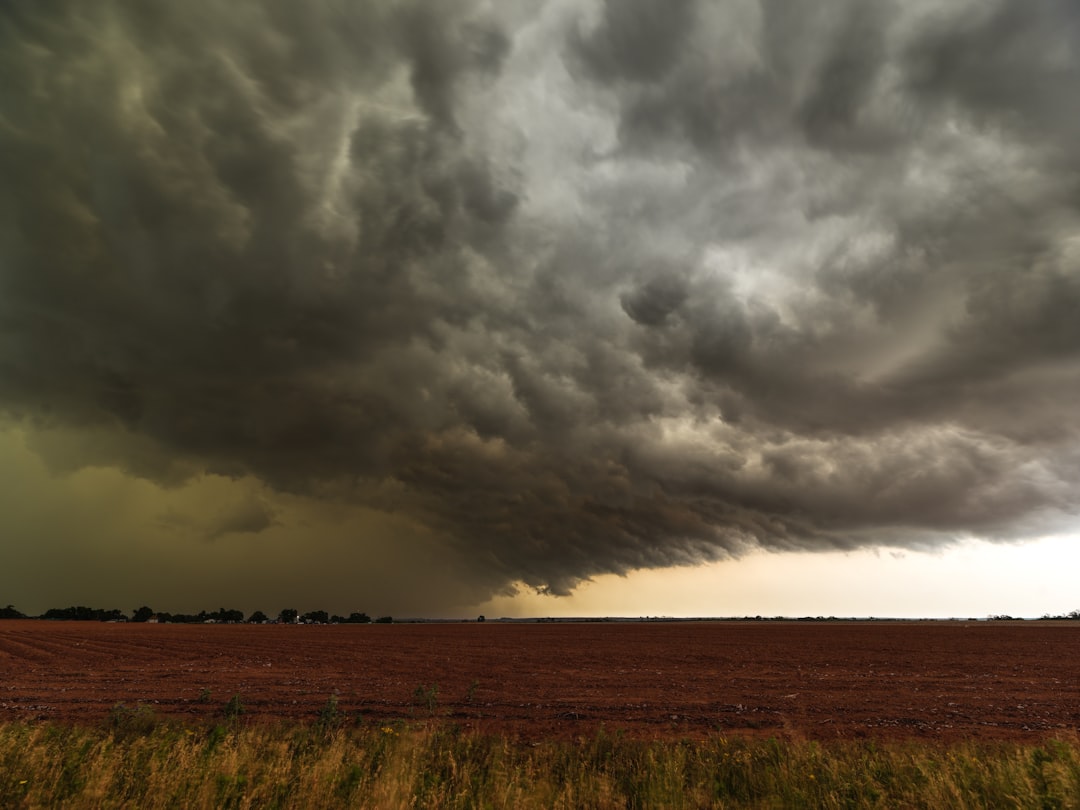



Understanding Freeze Warnings: What They Mean and How to Prepare
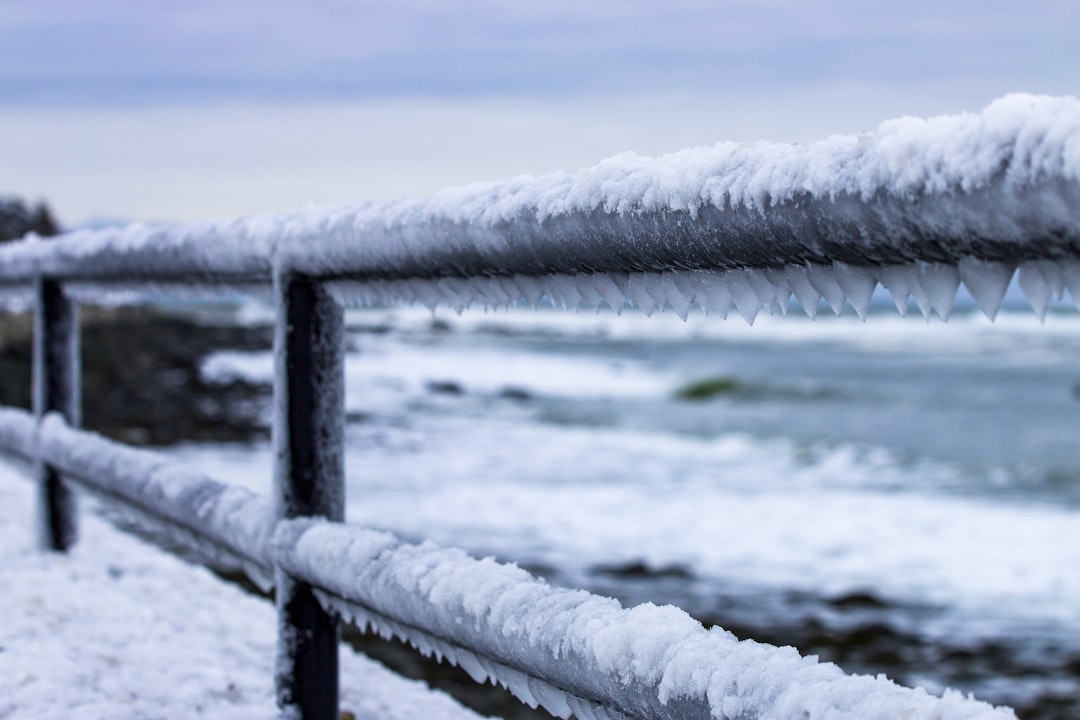
Understanding Freeze Warnings: What They Mean and How to Prepare
As winter approaches, the United States is seeing an increase in freeze warnings across various regions. These warnings are crucial for protecting both outdoor plants and vulnerable individuals from potentially dangerous low temperatures. In this blog post, we’ll delve into what freeze warnings are, their significance, and how to prepare for them.
What is a Freeze Warning?
A freeze warning is a National Weather Service alert that indicates temperatures will fall to 32°F (0°C) or below, which can cause substantial harm to sensitive vegetation and pose health risks to humans and animals. Typically issued during the late fall to early spring months, these warnings help residents take necessary precautions.
Why Are Freeze Warnings Important?
Freeze warnings are important for several reasons:
- Protecting Agriculture: Farmers and gardeners must be aware of freeze warnings to protect their crops. Certain plants are susceptible to frost damage, and early warnings can help them take necessary measures.
- Health Risks: Prolonged exposure to freezing temperatures can lead to serious health issues, such as hypothermia, frostbite, and increased risk of heart attacks, particularly among the elderly.
- Infrastructure Damage: Extended periods of freezing temperatures can damage roads, bridges, and other infrastructure, resulting in costly repairs and hazardous conditions.
How to Prepare for a Freeze Warning
Preparation is key when a freeze warning is issued. Here are several steps residents can take to safeguard their homes, families, and properties:
- Protect Your Plants: Cover tender plants with blankets or burlap, or bring potted plants indoors if possible. Watering your plants beforehand can also help insulate their roots.
- Insulate Pipes: To prevent water pipes from freezing, insulate exposed pipes in unheated areas. Letting faucets drip slightly can also help to keep water flowing.
- Check Your Heating Systems: Ensure that your home’s heating system is functioning properly. Clean or replace filters and check for drafts in windows and doors.
- Dress Appropriately: Wear layers of clothing, including hats and gloves, to protect against the cold while outside. It’s also essential to limit time spent outdoors.
- Stay Informed: Keep track of local weather forecasts and alerts. Follow local news sources or weather apps for updates on freezing temperatures and safety tips.
Responding to a Freeze Warning
When a freeze warning is in effect, it’s essential to stay informed and take these warnings seriously. Follow guidelines from local authorities and the National Weather Service, and take immediate actions to protect yourself and your property.
Conclusion
Freeze warnings serve a significant purpose in safeguarding agriculture, human health, and infrastructure. By understanding what a freeze warning entails and how to prepare for it, residents across the United States can mitigate the risks associated with cold temperatures. Stay warm, stay informed, and stay safe this winter!
Read Also:
Troy Baker: The Voice Behind Your Favorite Characters
Source:
Google Trends
{“@context”:”https://schema.org”,”@type”:”FAQPage”,”mainEntity”:[{“@type”:”Question”,”name”:”What temperatures trigger a freeze warning?”,”acceptedAnswer”:{“@type”:”Answer”,”text”:”A freeze warning is issued when temperatures are expected to drop to 32u00b0F (0u00b0C) or below.”}},{“@type”:”Question”,”name”:”How can I protect my plants during a freeze warning?”,”acceptedAnswer”:{“@type”:”Answer”,”text”:”Cover sensitive plants with blankets or burlap, or bring potted plants indoors to protect them from frost.”}}]}