


Understanding Ice Storm Warnings: What You Need to Know
Understanding Ice Storm Warnings: What You Need to Know
As winter approaches, the threat of severe weather increases, bringing the possibility of ice storms. Recently, the term ‘ice storm warning’ has been trending across the United States as meteorologists forecast significant icy conditions. Understanding what an ice storm warning entails and how to prepare for it is crucial for ensuring your safety and minimizing disruptions.
What is an Ice Storm Warning?
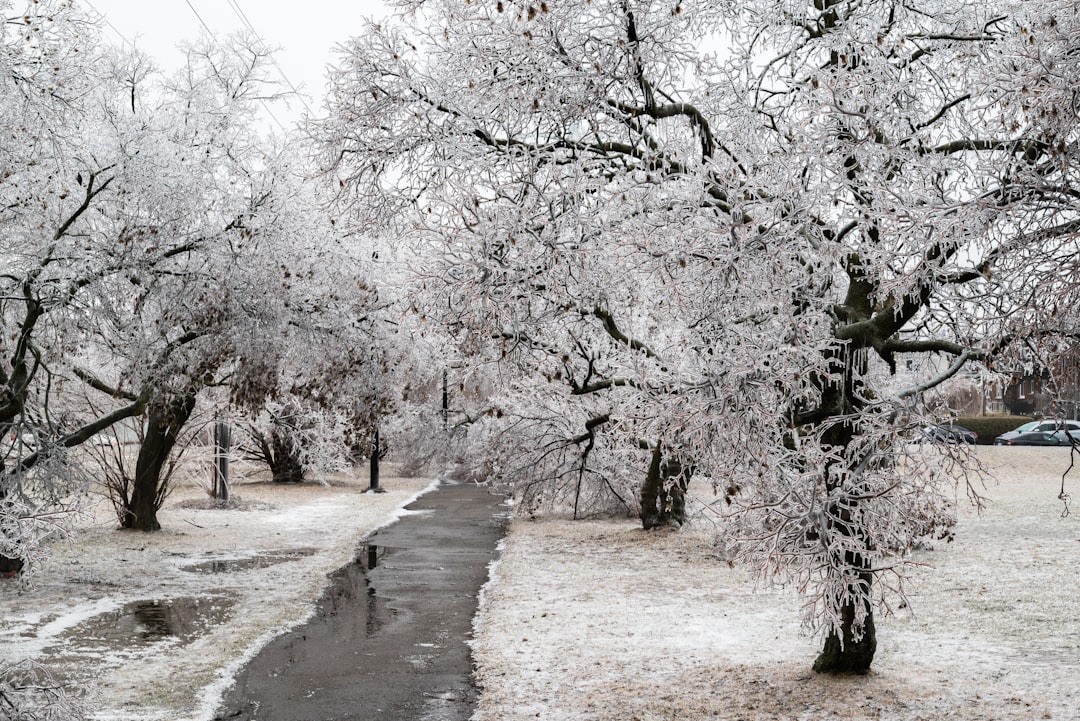
An ice storm warning is issued by the National Weather Service (NWS) to alert individuals of hazardous conditions that are likely to occur due to freezing rain. This freezing rain develops when warm air overrides cold air at the surface, leading to moisture in the atmosphere turning into ice upon contact.
When are Ice Storm Warnings Issued?
Ice storm warnings are typically issued when forecasters predict significant icing accumulations, often more than a quarter of an inch. This can create dangerous conditions such as downed power lines, slick roads, and potential property damage. It’s crucial to pay attention to local forecasts and updates during winter months, especially in regions prone to ice storms.
How to Prepare for an Ice Storm Warning
1. **Stay Informed**: Keep track of weather updates through local news channels or weather apps. Many smartphones allow users to set alerts for severe weather in their area.
2. **Stock Up on Essentials**: Be prepared for possible power outages by having enough food, water, and medications on hand. It’s also useful to have flashlights and batteries available.
3. **Secure Your Property**: Bring in or secure outdoor furniture and equipment that could be affected by strong winds or ice accumulation.
4. **Travel Cautiously**: If travel is necessary, ensure your vehicle is equipped for icy conditions. Carry chains, a shovel, and warm clothing in case you get stranded.
Potential Hazards Associated with Ice Storms
Ice storms can lead to a variety of dangers, including:
- Power Outages: Thick layers of ice can weigh down power lines and trees, resulting in outages that could last for hours or even days.
- Transportation Issues: Roads can become slick and treacherous, making driving extremely hazardous.
- Property Damage: Accumulated ice can lead to significant damage to plants, trees, and structures.
After an Ice Storm: Recovery Tips
Once the storm has passed and the warning has been lifted, it’s important to proceed with caution:
- Check for downed power lines and avoid them. Report any outages to local authorities.
- Clear pathways and driveways carefully, using ice melters if available. Be mindful of any ice patches that may still be present.
- Inspect your property for damage, taking photos for insurance claims if necessary.
Conclusion
Ice storm warnings are serious alerts that require immediate attention to ensure safety. By following up-to-date weather forecasts, preparing your home and family, and understanding the potential dangers, you can navigate these icy conditions more effectively. Stay safe this winter!
Read Also:
Discovering the University of Arizona: A Leading Choice for Students in 2023
Source:
Google Trends
{“@context”:”https://schema.org”,”@type”:”FAQPage”,”mainEntity”:[{“@type”:”Question”,”name”:”What should I do if I receive an ice storm warning?”,”acceptedAnswer”:{“@type”:”Answer”,”text”:”Stay indoors, stock up on essentials, and avoid unnecessary travel until the storm passes.”}},{“@type”:”Question”,”name”:”How long does an ice storm warning last?”,”acceptedAnswer”:{“@type”:”Answer”,”text”:”The duration of an ice storm warning can vary, but it typically lasts until predictions indicate that the ice accumulation has ceased.”}}]}