


Understanding Ice Storm Warnings: What You Need to Know
Understanding Ice Storm Warnings: What You Need to Know
As winter approaches, the threat of severe weather increases. One significant weather warning that many Americans may encounter is the ice storm warning. Understanding what this warning entails and how to prepare can be crucial for safety. In this blog post, we will explore the implications of ice storm warnings, how they differ from other winter weather advisories, and what steps you can take to stay safe.
What is an Ice Storm Warning?
An ice storm warning is issued by the National Weather Service (NWS) and signals that ice accumulation of 0.25 inches or more is expected. This level of accumulation can lead to hazardous conditions on roads, as well as increased weight on tree branches and power lines, leading to the potential for outages and property damage.
How Does an Ice Storm Form?
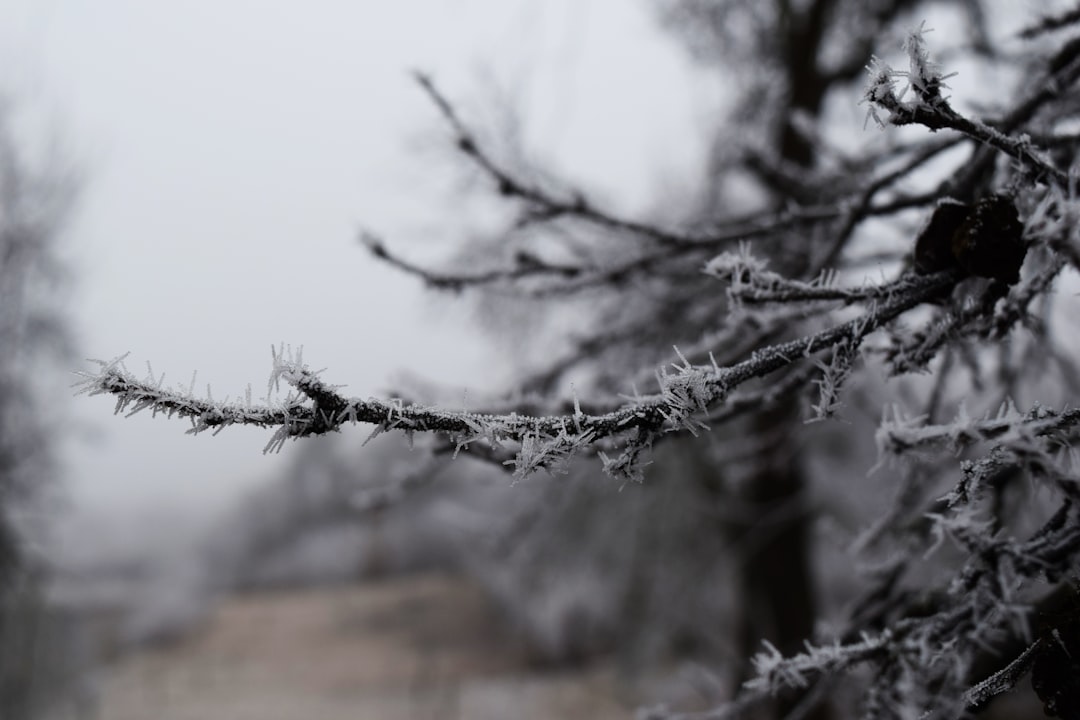
Ice storms occur when warm air overrides cold air at the surface. This causes rain to fall while temperatures at the ground level dip below freezing. The rain freezes upon contact with cold surfaces, creating a layer of ice. This can happen quickly, leading to dangerous conditions.
Differences Between Ice Storm Warnings and Other Winter Weather Advisories
It’s essential to understand how ice storm warnings differ from other types of winter weather advisories:
- Winter Weather Advisory: Issued when a combination of winter weather conditions are expected, including light ice accumulation, making driving hazardous but not life-threatening.
- Icy Road Warning: Specific to road conditions, indicating that roads may be icy, and motorists should drive with caution.
Unlike these advisories, an ice storm warning signifies more severe conditions that pose significant risks.
Preparing for an Ice Storm
Preparation is key during the threat of an ice storm. Here are several steps you can take to protect yourself and your property:
- Stay Informed: Pay attention to weather alerts and updates from the National Weather Service. This information can help you understand the severity and timing of the storm.
- Emergency Kit: Ensure you have an emergency kit stocked with essentials, including food, water, medications, flashlights, and batteries.
- Power Outages: Ice accumulation can cause power outages. It’s wise to have alternative light sources and portable chargers for your devices.
- Plan Ahead: If travel is necessary, plan your route carefully, and consider the safest times to be on the road.
During the Ice Storm
When an ice storm hits, it’s crucial to stay indoors. Here are some tips:
- Monitor Updates: Keep a battery-operated radio or a charged device to receive weather updates.
- Heating Safety: If you lose power, make sure to use generators correctly and avoid using indoor heating sources that can pose carbon monoxide risks.
- Stay Away From Trees: Avoid standing under trees during ice storms, as heavy ice can break branches and cause injury.
After the Ice Storm
Once the storm has passed, be cautious when venturing outdoors. Here’s what to consider:
- Travel Carefully: Roads may remain slippery, and downed power lines can pose dangers.
- Check on Neighbors: If it is safe to do so, check on elderly neighbors or those who may need assistance.
Conclusion
Understanding ice storm warnings and preparing appropriately can significantly impact your safety and well-being during severe weather. Stay informed, take precautions, and always prioritize safety during winter storms.
Read Also:
F1 Movie: The Racing Drama That's Taking the U.S. by Storm
Source:
Google Trends
{“@context”:”https://schema.org”,”@type”:”FAQPage”,”mainEntity”:[{“@type”:”Question”,”name”:”What should I do during an ice storm warning?”,”acceptedAnswer”:{“@type”:”Answer”,”text”:”Stay indoors, avoid travel if possible, and monitor local news for updates on conditions.”}},{“@type”:”Question”,”name”:”How can I prepare for an ice storm in advance?”,”acceptedAnswer”:{“@type”:”Answer”,”text”:”Prepare an emergency kit, review safety plans, and ensure your home is equipped to handle power outages.”}}]}