


Understanding Indianapolis Weather: Trends, Tips, and Seasonal Insights

Understanding Indianapolis Weather: Trends, Tips, and Seasonal Insights
The weather in Indianapolis can be a rollercoaster ride, with its shifting patterns and seasonal changes. Whether you’re a local or planning a visit, it’s essential to stay updated on what to expect from Indianapolis weather throughout the year.
General Climate Overview
Indianapolis experiences a humid continental climate, characterized by four distinct seasons. Winters (December to February) are typically cold, with average temperatures ranging from 25°F to 38°F. Summers (June to August) can be hot and humid, with temperatures soaring between 73°F to 86°F. Springs and autumns offer mild temperatures, making these seasons ideal for outdoor activities.
Winter Weather in Indianapolis
Winter can be quite harsh in Indianapolis, with snowfall averaging around 22 inches per year. The coldest months are January and February, where you can expect freezing temperatures and occasional snowstorms. It’s important to keep an eye on weather forecasts to avoid travel disruptions. If you love winter sports, Indianapolis has several parks where you can enjoy sledding or ice skating.
Spring Weather Trends
As February fades, Indianapolis welcomes the freshness of spring. From March to May, temperatures gradually rise, making it a beautiful time to explore the city. However, spring also brings rain, particularly in April. On average, Indianapolis receives about 14 inches of rain during this season. It’s advisable to carry an umbrella and dress in layers to prepare for fluctuating temperatures.
Summer Heat and Humidity
Summers in Indianapolis are known for their heat and humidity. June, July, and August often see temperatures rising into the high 80s and even low 90s. The humidity can make it feel even warmer, so stay hydrated and take precautions against heat-related illnesses. Summer also marks the season for outdoor festivals and events in Indianapolis, from the famous Indiana State Fair to various concerts and cultural festivals.
Autumn Foliage and Mild Temperatures
Fall is one of the best times of the year in Indianapolis, with temperatures ranging from 50°F to 75°F. The breathtaking fall foliage provides a scenic backdrop for outdoor activities. September through November is relatively dry, making it an excellent time to visit parks like White River State Park or take scenic drives. Don’t forget to enjoy local pumpkin patches and harvest festivals!
How to Prepare for Severe Weather
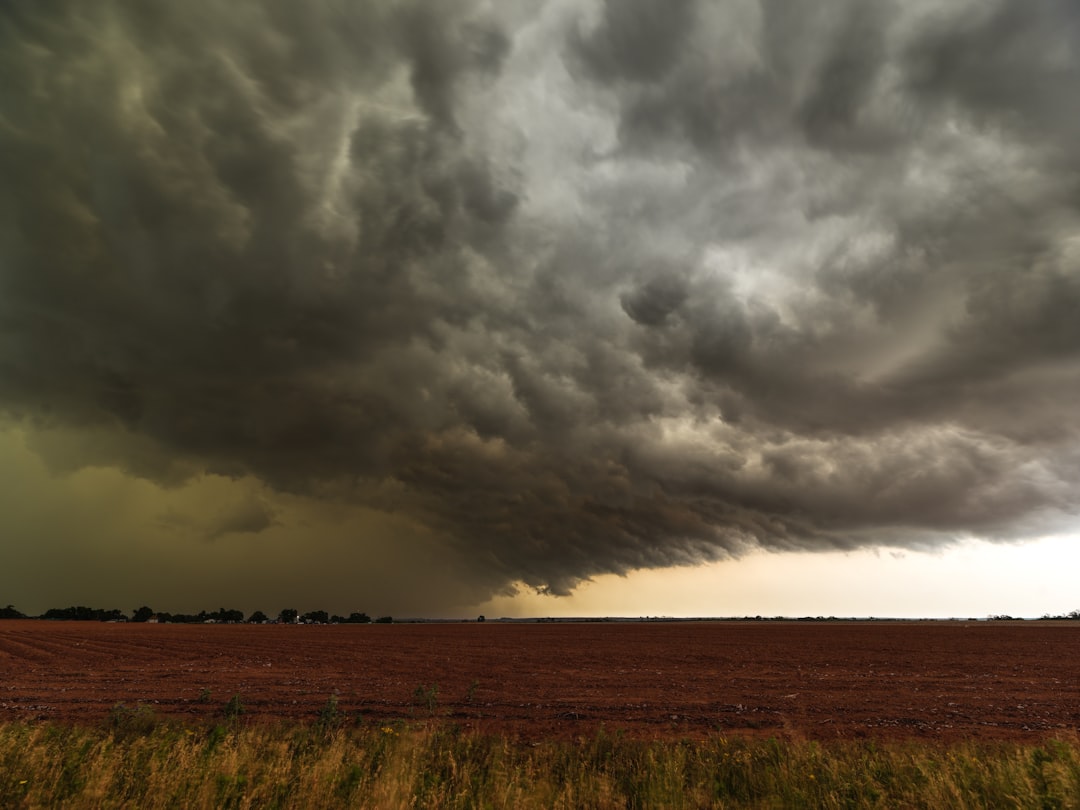
Indianapolis occasionally faces severe weather such as thunderstorms, tornadoes, and winter storms. It’s essential for residents and visitors to stay informed about weather alerts. Having an emergency kit, a battery-powered weather radio, and a plan for severe weather situations can help ensure safety. The local news channels and weather apps provide timely updates that are crucial during storm seasons.
Conclusion
Staying updated on Indianapolis weather is key to enjoying everything the city has to offer year-round. Whether you’re planning an outdoor adventure or a city event, knowing what to expect will enhance your experience. Keep this guide handy, and enjoy the dynamic climate of Indianapolis!
Read Also:
Exploring the Phenomenon of Nier Automata: A Deep Dive into the Trending Game
Source:
Google Trends
{“@context”:”https://schema.org”,”@type”:”FAQPage”,”mainEntity”:[{“@type”:”Question”,”name”:”What is the average temperature in Indianapolis during winter?”,”acceptedAnswer”:{“@type”:”Answer”,”text”:”Winter temperatures in Indianapolis usually range from 25u00b0F to 38u00b0F.”}},{“@type”:”Question”,”name”:”How much snow does Indianapolis receive annually?”,”acceptedAnswer”:{“@type”:”Answer”,”text”:”Indianapolis averages about 22 inches of snow per year.”}}]}