


Understanding Jet Fuel: The Backbone of Aviation in the United States
Understanding Jet Fuel: The Backbone of Aviation in the United States
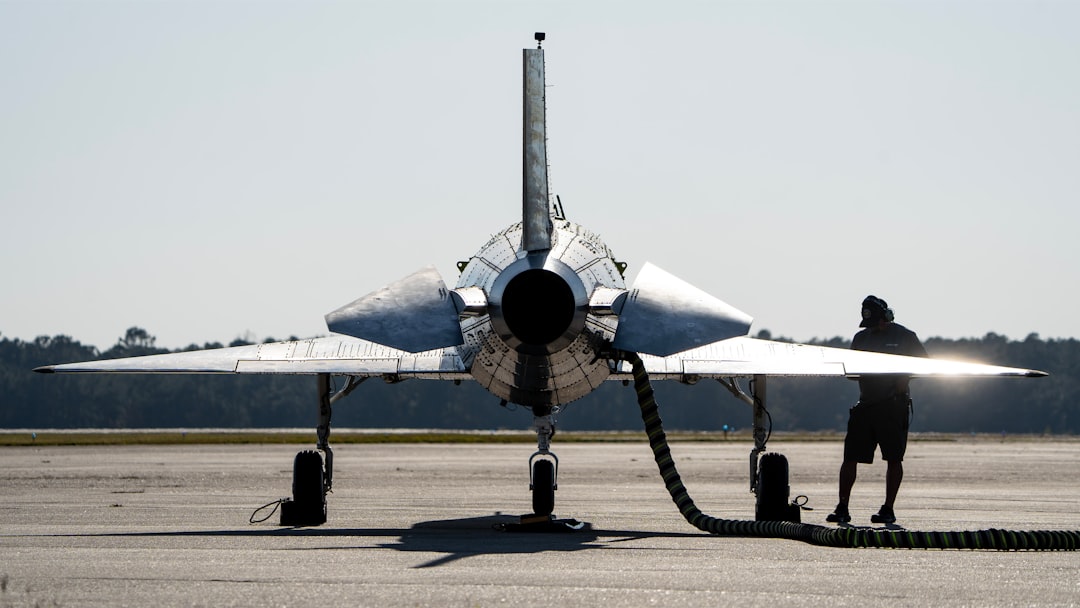
Jet fuel is a crucial component in the aviation sector, powering commercial airlines, private jets, and military aircraft. With the resurgence of air travel in the U.S. post-pandemic, jet fuel is trending as a hot topic among aviation enthusiasts, industry professionals, and environmentalists alike. In this article, we will explore the types of jet fuel, its significance, and recent advancements in sustainable aviation fuel technology.
What is Jet Fuel?
Jet fuel is a specialized petroleum product designed to power jet engines. The most commonly used types are Jet A and Jet A-1, which are kerosene-based fuels. Jet A is primarily used in the United States, while Jet A-1 is available internationally and has a lower freezing point, making it suitable for colder climates.
The Importance of Jet Fuel in the Aviation Industry
As air travel continues to recover and evolve, the demand for jet fuel is expected to grow significantly. According to the International Air Transport Association (IATA), the global aviation fuel market was valued at around $164 billion in 2021 and is projected to reach $250 billion by 2026. This expected increase underscores the vital role that jet fuel plays, not only in the economy but also in connecting people and cultures globally.
Jet Fuel Trends in the United States
One of the most significant trends in jet fuel is the push for sustainability. With heightened awareness of climate change, the aviation industry is actively seeking methods to reduce its carbon footprint. Innovations in sustainable aviation fuels (SAF) represent a promising direction for achieving these goals.
SAF can be produced from a variety of sources, including biomass and waste materials. Recent investments from airlines and fuel producers indicate a commitment to developing these cleaner alternatives. For example, major airlines like Delta and United Airlines have pledged to purchase millions of gallons of SAF over the coming years, reflecting an industry-wide shift towards greener fuel options.
Challenges in Jet Fuel Supply and Distribution
Despite the push towards sustainable alternatives, the jet fuel supply chain faces challenges. The transportation of jet fuel from refineries to airports remains a complex process. Additionally, fluctuations in crude oil prices often impact jet fuel costs, which can affect airline operations and ticket prices. Rising demand paired with geopolitical tensions can lead to supply chain disruptions, further complicating the landscape.
Conclusion: The Future of Jet Fuel
The future of jet fuel is dynamic and evolving. As the aviation industry continues to rebound, the focus on sustainability will grow, and advancements in SAF technology will play a pivotal role. With ongoing investments, regulatory support, and innovation, the landscape of jet fuel in the United States is poised for significant transformation. Airlines and fuel manufacturers must adapt to these changes to meet both the demand for air travel and the urgent call for environmental responsibility.
FAQs about Jet Fuel
1. What is the primary type of jet fuel used in the U.S.?
The primary type of jet fuel used in the U.S. is Jet A.
2. How is sustainable aviation fuel (SAF) made?
Sustainable aviation fuel can be produced from renewable sources such as biomass, waste materials, or even through synthetic processes.
Read Also:
Understanding the USCIS Green Card Warning: What You Need to Know
Source:
Google Trends
{“@context”:”https://schema.org”,”@type”:”FAQPage”,”mainEntity”:[{“@type”:”Question”,”name”:”What is the primary type of jet fuel used in the U.S.?”,”acceptedAnswer”:{“@type”:”Answer”,”text”:”The primary type of jet fuel used in the U.S. is Jet A.”}},{“@type”:”Question”,”name”:”How is sustainable aviation fuel (SAF) made?”,”acceptedAnswer”:{“@type”:”Answer”,”text”:”Sustainable aviation fuel can be produced from renewable sources such as biomass, waste materials, or even through synthetic processes.”}}]}