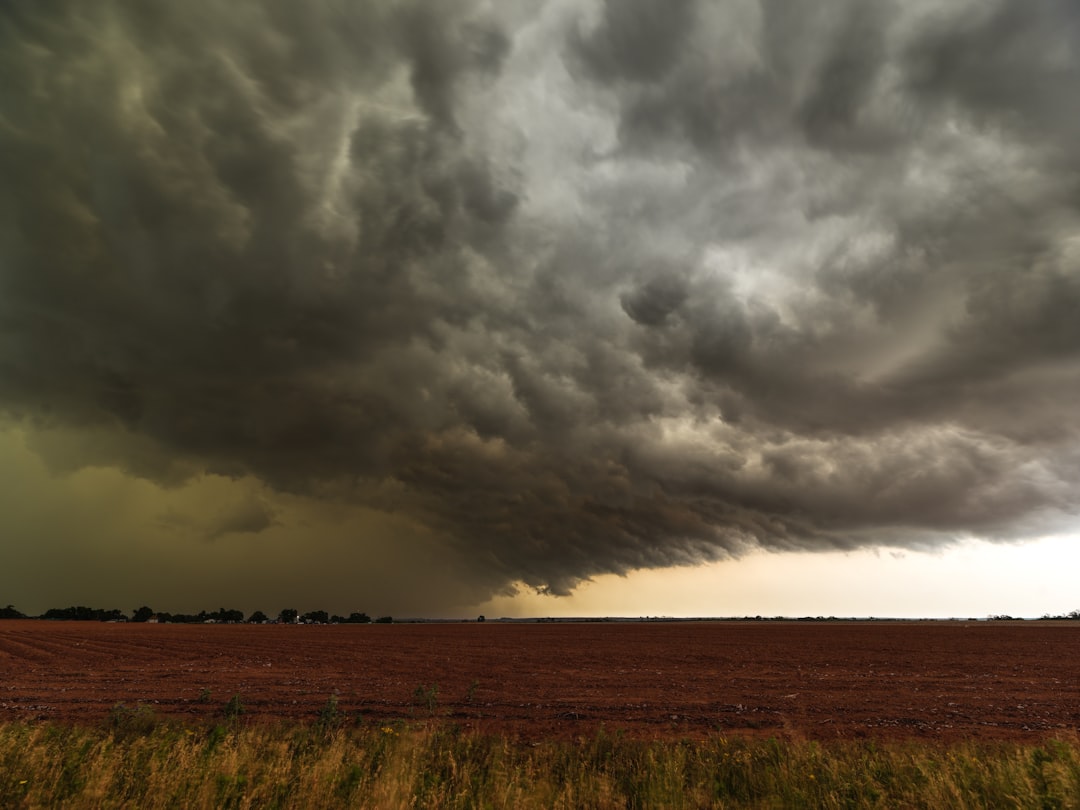



Understanding Las Vegas Weather: Your Ultimate Guide

Las Vegas Weather: What To Expect Throughout The Year
Las Vegas, known for its vibrant nightlife and breathtaking resorts, also boasts a unique climate that attracts tourists year-round. To make the most of your visit, it’s essential to understand the weather patterns in this desert oasis. In this blog post, we’ll delve into the different seasons, temperatures, and tips for navigating Las Vegas weather.
Annual Climate Overview
Las Vegas features a desert climate, characterized by hot summers and mild winters. The city receives very little rainfall, averaging about 4 inches annually. Given its geographical location, visitors can expect sunny skies for most of the year.
Spring (March to May)
Spring is one of the best times to visit Las Vegas. Temperatures during this season range from the mid-60s to mid-80s °F (approximately 18-30 °C). The weather is generally mild and dry, making it perfect for outdoor activities and events. Springtime also heralds the start of various festivals and concerts, drawing crowds from all over.
Summer (June to August)
As summer approaches, temperatures can soar dramatically, often exceeding 100 °F (37 °C). The hottest months are July and August, with average highs reaching around 104 °F (40 °C). While the heat can be intense, most hotels and attractions are equipped with ample air conditioning, allowing visitors to stay cool indoors. Remember to hydrate frequently and apply sunscreen when venturing outside during the daytime.
Fall (September to November)
Fall is another pleasant season in Las Vegas. September can still be quite warm, with temperatures lingering in the 90s °F (32-37 °C), but by October, averages drop to the high 70s and low 80s °F (25-30 °C). This mild weather makes it an ideal time for outdoor exploration, including hiking at nearby attractions like Red Rock Canyon.
winter (December to February)
Winters in Las Vegas are relatively mild compared to many other regions, with average daytime temperatures ranging from 50 to 60 °F (10-15 °C), while nights can get chilly, sometimes dropping below freezing. While snowfall is rare, it can occur, so pack layers to adjust to the changing temperatures throughout the day. This season is quieter in terms of tourist crowds, providing a more relaxed atmosphere for those who prefer a less bustling experience.
What to Pack
When visiting Las Vegas, it’s crucial to pack appropriately according to the season. Lightweight, breathable clothing is ideal for the summer, while layers are recommended for the cooler winter months. Regardless of the time of year, comfortable walking shoes are a must, especially if you plan on exploring the Strip and its numerous attractions.
Tips to Enjoy Las Vegas Weather
- Stay hydrated: Always carry water to avoid dehydration, especially in the summer months.
- Plan indoor activities during peak heat: Schedule museum visits or shopping expeditions during the hottest part of the day.
- Use sunscreen: Protect yourself from the sun no matter when you visit.
Conclusion
With its predominantly warm and dry climate, Las Vegas offers a wealth of experiences regardless of the season. By understanding the weather patterns and packing accordingly, you can ensure that your trip to this dazzling city is as enjoyable as possible.
Read Also:
Exploring the Latest Trends in the United States: What’s Hot Right Now
Source:
Google Trends
{“@context”:”https://schema.org”,”@type”:”FAQPage”,”mainEntity”:[{“@type”:”Question”,”name”:”What is the best time to visit Las Vegas?”,”acceptedAnswer”:{“@type”:”Answer”,”text”:”Spring (March to May) and Fall (September to November) are the best times to visit Las Vegas due to mild temperatures and enjoyable weather.”}},{“@type”:”Question”,”name”:”Does it snow in Las Vegas?”,”acceptedAnswer”:{“@type”:”Answer”,”text”:”Snow is rare in Las Vegas, but it can occur during the winter months. Generally, winters are mild compared to many other regions.”}}]}