


Understanding San Francisco Weather: What You Need to Know
San Francisco Weather: A Complete Guide
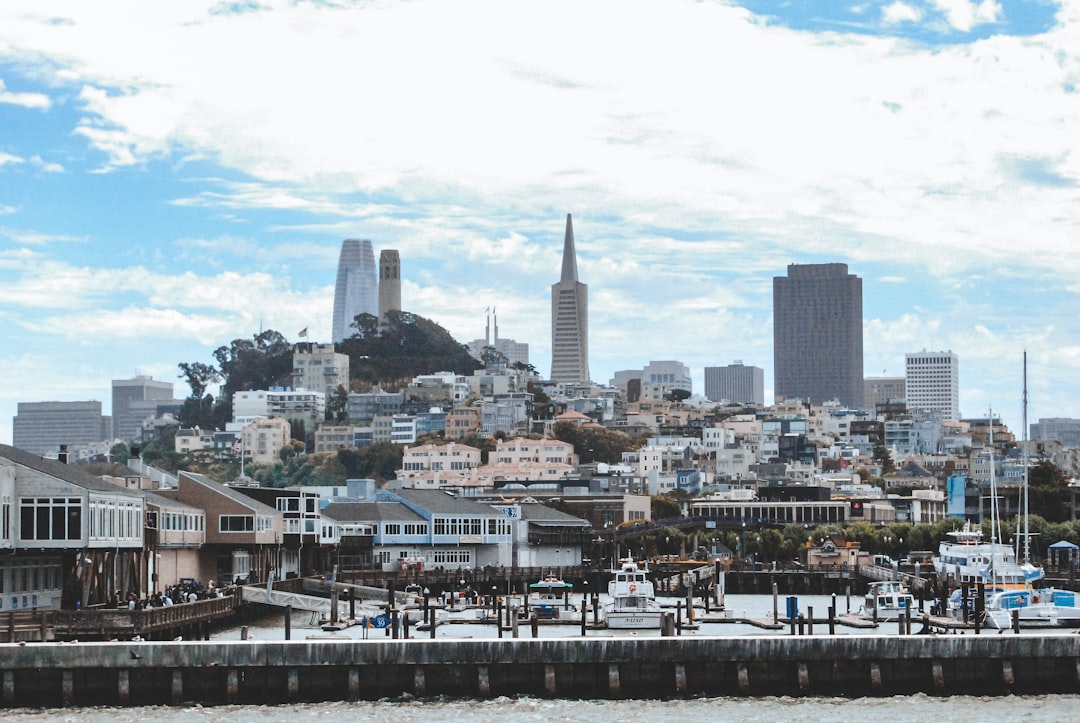
San Francisco, known for its iconic Golden Gate Bridge and vibrant culture, also boasts a unique climate that captivates both residents and visitors. Understanding the weather in San Francisco is essential for anyone planning a trip or considering a move to this beautiful city.
Climate Overview
The coastal location of San Francisco heavily influences its weather patterns. Unlike many other parts of California that enjoy hot, sunny summers, San Francisco experiences a microclimate that is often marked by cooler temperatures and fog. This phenomenon is a result of the city’s geographical features, where warm air from inland areas meets the cool, moist air from the Pacific Ocean.
Seasons in San Francisco
San Francisco has a Mediterranean climate characterized by dry summers and wet winters. However, the city’s weather can be unpredictable. Here’s a look at what to expect in each season:
Spring (March to May)
Springtime in San Francisco brings mild temperatures, usually ranging from the mid-50s to mid-60s Fahrenheit. This season is known for its floral bloom and occasional rain showers. The fog begins to dissipate, making it a great time for outdoor activities.
Summer (June to August)
Interestingly, San Francisco’s summer is not as warm as one might expect. Temperatures average between 60°F and 70°F. However, the infamous summer fog rolls in, especially in June and July. Visitors often experience chilly winds, particularly in the evenings. Dress in layers is highly recommended.
Fall (September to November)
Fall is often considered the best time to visit San Francisco. The temperatures can climb to the mid-70s, and the fog starts to clear. Clear skies dominate this season, making it perfect for sightseeing.
Winter (December to February)
Winter in San Francisco is relatively mild compared to other regions, with temperatures rarely dropping below 40°F. However, this season sees the most rainfall, as well as occasional storms. The month of February can witness the city’s warmest days, leading into spring.
Microclimates in San Francisco
One of the fascinating aspects of San Francisco weather is its microclimates. Different neighborhoods can experience varying temperatures and conditions at the same time. For example, while it may be sunny and warm in the Mission District, it could be foggy and cool in the Sunset District.
Weather Forecasting
For visitors and locals alike, keeping track of the weather is essential. Several resources are available for accurate weather forecasting, including local news channels, weather websites, and mobile apps. The National Weather Service also provides reliable updates and alerts.
What to Wear in San Francisco
When visiting San Francisco, layering is crucial due to the city’s variable weather. A typical outfit might include a light sweater, a t-shirt, and a windbreaker. Comfortable shoes are also a must, as walking is a popular way to explore the city.
Conclusion
Understanding San Francisco’s unique weather patterns can greatly enhance your experience in the city. By planning accordingly and preparing for the unexpected, you can fully enjoy everything this incredible city has to offer, no matter what the weather brings.
Read Also:
Coachella 2026 Lineup: What to Expect from the Iconic Festival
Source:
Google Trends
{“@context”:”https://schema.org”,”@type”:”FAQPage”,”mainEntity”:[{“@type”:”Question”,”name”:”What is the best time to visit San Francisco?”,”acceptedAnswer”:{“@type”:”Answer”,”text”:”Often, Fall (September to November) is the best time to visit due to mild temperatures and clearer skies.”}},{“@type”:”Question”,”name”:”Why is San Francisco so foggy?”,”acceptedAnswer”:{“@type”:”Answer”,”text”:”San Francisco’s fog is due to the cold Pacific Ocean air meeting warm inland air, creating a layer of fog, especially during summer.”}}]}