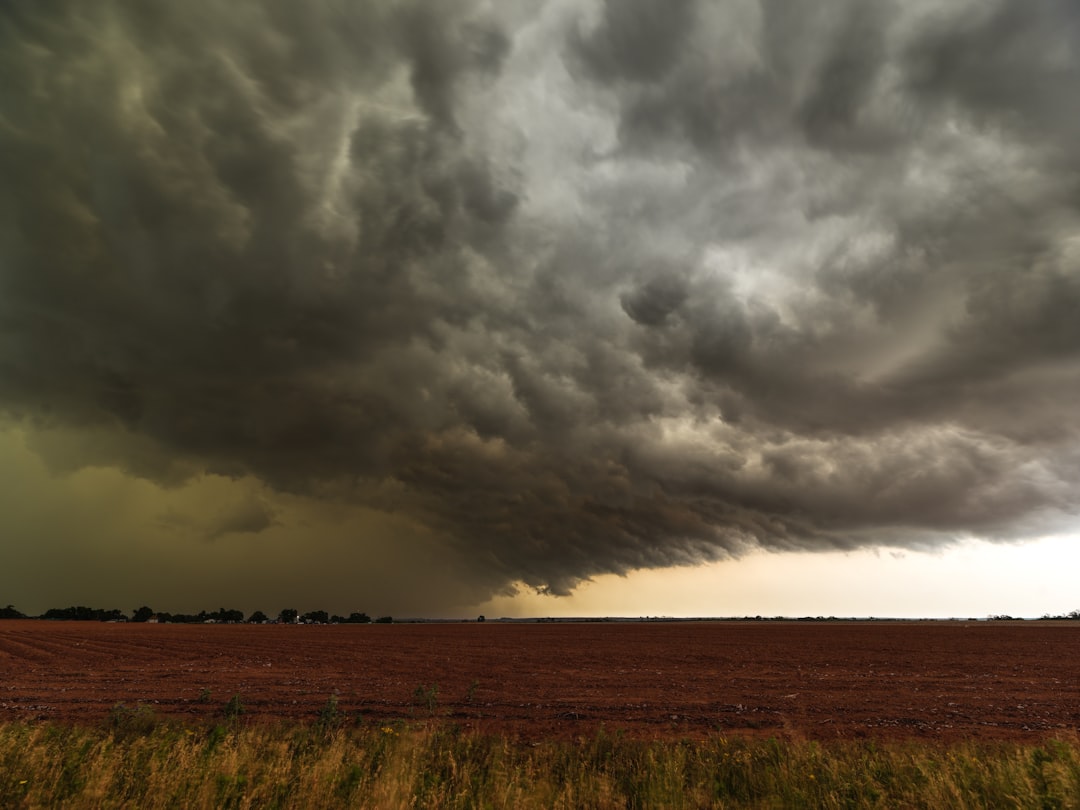



Understanding Tornado Sirens: A Lifeline for Safety in the U.S.

Understanding Tornado Sirens: A Lifeline for Safety in the U.S.
Tornado sirens play a crucial role in alerting communities across the United States to impending severe weather conditions, especially tornadoes. As the frequency of severe weather events increases, it’s essential to understand how these sirens work, their importance, and the evolving technologies behind them.
What Are Tornado Sirens?
Tornado sirens are outdoor warning systems designed to alert the public to severe weather conditions. They make a loud, piercing sound that can be heard from a considerable distance. The primary purpose of these sirens is to notify residents to seek shelter and stay safe during a tornado or severe storm.
How Do Tornado Sirens Work?
These sirens are usually activated through a network of meteorological monitoring systems. When a tornado watch is issued, local meteorologists and emergency management agencies are on high alert. If a tornado warning is confirmed, they activate the sirens in the affected area. Some systems can be set to activate automatically based on meteorological data.
The Importance of Tornado Sirens
The significance of tornado sirens cannot be overstated. In many parts of the Midwest and South, where tornadoes are more frequent, these sirens can literally save lives. Here are a few reasons why they are essential:
- Immediate Alert: Sirens provide immediate warning to large populations, ensuring that people are aware of danger even if they are indoors.
- Public Awareness: Regular tests and maintenance of these systems enhance public awareness and readiness.
- Community Cohesion: Having a reliable warning system fosters a sense of security in communities.
Limitations of Tornado Sirens
While tornado sirens are extremely useful, they do have limitations:
- Risk of False Alarms: Miscommunication can lead to sirens being activated without an actual tornado threat.
- Indoor Limitations: The sound of tornado sirens may be difficult to hear indoors, prompting the need for supplemental alerts like text messages and phone notifications.
Modern Developments: The Future of Tornado Warning Systems
As technology evolves, so do tornado warning systems. Some of the latest developments include:
- Smart Alerts: Advanced systems now integrate SMS notifications and mobile apps to send alerts directly to individuals’ phones.
- Real-time Monitoring: Enhanced meteorological tech allows for precise tracking of tornadoes, leading to quicker response times.
- Community Engagement: Innovative community programs aim to educate residents on what to do when they hear a siren.
Conclusion
Tornado sirens are a critical element of public safety in the United States, especially in tornado-prone areas. By understanding how they work and their importance, communities can be better prepared for severe weather events. It is essential to stay informed and to employ multiple alert systems for optimal safety. Remember, when you hear the siren, it’s time to take shelter!
Read Also:
Why Miu Miu is Trending in the United States: A Fashion Phenomenon
Source:
Google Trends
{“@context”:”https://schema.org”,”@type”:”FAQPage”,”mainEntity”:[{“@type”:”Question”,”name”:”How often are tornado sirens tested?”,”acceptedAnswer”:{“@type”:”Answer”,”text”:”Tornado sirens are typically tested monthly in communities, though this can vary based on local regulations.”}},{“@type”:”Question”,”name”:”What should I do when I hear a tornado siren?”,”acceptedAnswer”:{“@type”:”Answer”,”text”:”When you hear a tornado siren, you should immediately seek shelter in a safe location, such as a basement or an interior room on the lowest floor.”}}]}