

Understanding Tornado Watches in Wisconsin: What You Need to Know
Everything You Need to Know About Tornado Watches in Wisconsin
Wisconsin’s unpredictable weather patterns can sometimes lead to severe conditions, including tornadoes. Recently, ‘Tornado Watch Wisconsin’ has been trending as more residents seek to understand what it means, how to stay safe, and how to prepare. In this blog post, we will delve into the specifics of tornado watches in Wisconsin and what you can do to protect yourself and your loved ones.
What is a Tornado Watch?
A tornado watch is issued when weather conditions are favorable for tornadoes to develop. Unlike a tornado warning, which indicates that a tornado has been sighted or indicated by radar, a watch serves as a heads-up to citizens to be vigilant. Tornado watches are usually issued for several counties and can last for several hours.
Why Are Tornado Watches Issued in Wisconsin?
Wisconsin, known for its variable climate, can experience tornado watches primarily due to spring and summer thunderstorms. The state’s geography, with warm humid air from the Gulf of Mexico colliding with cooler air from Canada, creates ideal conditions for severe weather, including tornadoes. Residents need to be alert and stay informed during these times.
How to Prepare for a Tornado Watch
Preparation is key when a tornado watch is issued. Here are some steps to take:
- Stay Informed: Keep local news channels, weather apps, or websites handy. Follow the National Weather Service (NWS) for real-time updates.
- Create an Emergency Kit: Carry essential supplies like water, non-perishable food, a flashlight, a first-aid kit, and a battery-powered radio.
- Establish a Safety Plan: Identify a safe location in your home, such as a basement or an interior room on the lowest floor, away from windows.
- Communicate: Make sure all family members know the plan and how to access it. Consider a family meeting point in case you get separated.
What to Do During a Tornado Watch
During a tornado watch, it’s essential to stay alert and ready. Here’s what you should do:
- Monitor Updates: Keep a weather radio or app active to receive live updates on any changes to the watch or warnings.
- Be Ready to Move: Ensure you’re prepared to head to your safety location quickly if a warning is issued.
- Minimize Distracted Activities: Avoid activities that can distract you, such as outdoor sports or hiking, since storms can develop rapidly.
Recognizing the Signs of an Approaching Tornado
In conjunction with a tornado watch, being aware of the signs of a tornado is critical:
- Strong, persistent rotation in the clouds
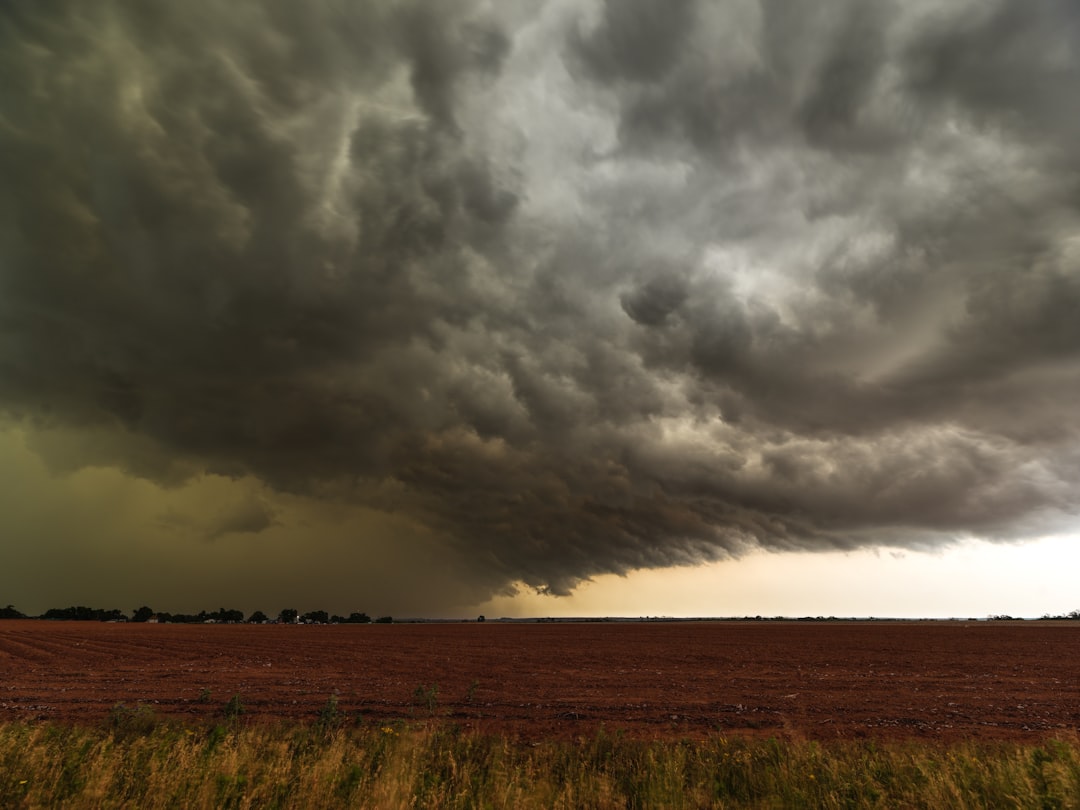
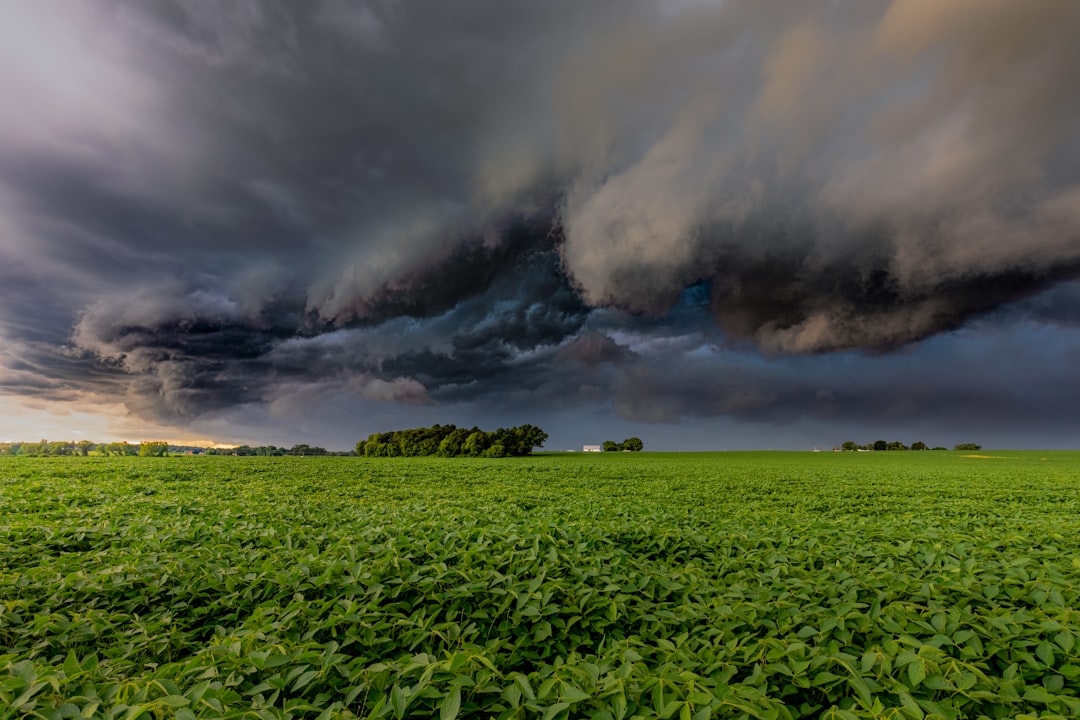
- Dark, greenish sky
- Large, low-lying cloud base
- Debris clouds or heavy rain, followed suddenly by calmness
After the Tornado Watch
Once a tornado watch expires, it doesn’t mean that all risks are over. Here are some guidelines for post-watch safety:
- Stay tuned for updates and any new warnings. Weather can change quickly.
- Check for damage in your area and stay clear of downed power lines or unstable structures.
- Maintain communication with family and friends to ensure everyone is safe.
Conclusion
Understanding tornado watches in Wisconsin is crucial for ensuring your safety and preparedness during severe weather conditions. By staying informed and maintaining readiness, you can protect yourself and your loved ones effectively. Remember, during this tornado season, a watch isn’t a reason to panic, but a signal to stay alert and prepared.
Read Also:
Exploring Star Wars: Galaxy's Edge – The Ultimate Guide
Source:
Google Trends
{“@context”:”https://schema.org”,”@type”:”FAQPage”,”mainEntity”:[{“@type”:”Question”,”name”:”What is the difference between a tornado watch and a tornado warning?”,”acceptedAnswer”:{“@type”:”Answer”,”text”:”A tornado watch indicates favorable conditions for tornadoes, whereas a tornado warning means a tornado has been spotted or indicated by radar.”}},{“@type”:”Question”,”name”:”How often should I check for updates during a tornado watch?”,”acceptedAnswer”:{“@type”:”Answer”,”text”:”Check for updates at regular intervals or as frequently as possible, especially if conditions appear to be changing.”}}]}