


Experience the Lyrids Meteor Shower: A Spectacular Celestial Event in 2024
Experience the Lyrids Meteor Shower: A Spectacular Celestial Event in 2024
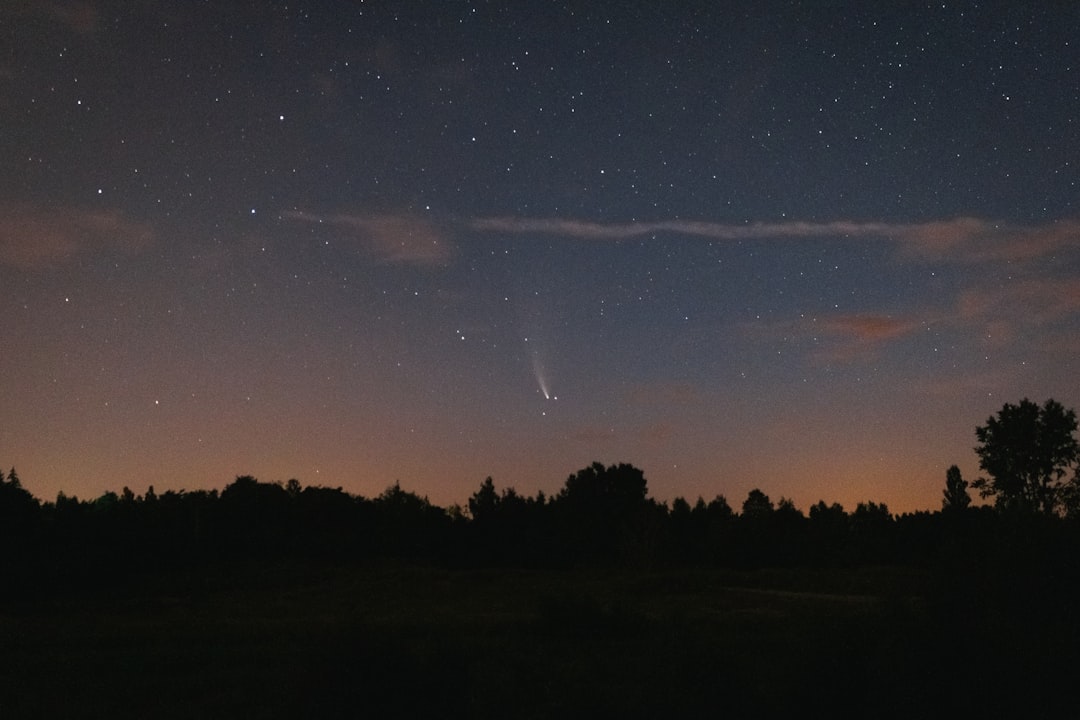
The annual Lyrids meteor shower is set to light up the night sky this April, captivating stargazers and astronomy enthusiasts across the United States. With its origins traced back over 2,600 years, this shower has a rich history and is known for its stunning displays of shooting stars.
What are the Lyrids?
The Lyrids meteor shower occurs when the Earth passes through a stream of dust and debris left behind by Comet C/1861 G1 Thatcher. As these particles enter the Earth’s atmosphere, they burn up, creating brilliant streaks of light that we see as meteors. The Lyrids typically peak around April 16 to 25 each year, with the highest activity generally occurring towards the middle of this time frame.
When to Look for Lyrids in 2024
The peak of the Lyrids meteor shower in 2024 is expected to occur on the night of April 21 and the early hours of April 22. During this peak, observers can expect to see around 10 to 20 meteors per hour under ideal conditions. The best time to watch is usually after midnight when the sky is darkest and the radiant point in the constellation Lyra is higher in the sky.
How to Prepare for Meteor Watching
To make the most of your Lyrids viewing experience, here are some tips:
- Find a Dark Location: Choose a place far from city lights where you can fully enjoy the night sky.
- Check the Weather: Clear skies are essential for meteor watching, so be sure to check weather forecasts before heading out.
- Be Patient: Give your eyes time to adjust to the darkness, and sit back to enjoy the celestial show. Bring a reclining chair or a blanket to lie on for comfort.
Why the Lyrids are Unique
The Lyrids have some fascinating characteristics that set them apart from other meteor showers. Not only do they offer a bright display, but they can also produce fireballs—particularly bright meteors that explode in the atmosphere and create a spectacular visual. The Lyrids are also one of the oldest documented meteor showers, with records dating back to 687 BC in China.
Tips for Capturing the Lyrids on Camera
If you’re keen to photograph the Lyrids meteor shower, here are a few tips:
- Use a Tripod: A sturdy tripod will help eliminate camera shake during long exposure shots.
- Long Exposure Settings: Set your camera to a long exposure time, ideally between 10 to 30 seconds, to capture the meteors in action.
- Wide-Angle Lens: Use a wide-angle lens to capture more of the sky in your frame, increasing your chances of catching falling meteors.
Engaging with the Community
Many local astronomical societies host events during the Lyrids meteor shower where enthusiasts can come together, discuss astronomy, and enjoy the night sky. This can be a great opportunity to learn from experts, share your experiences, and even take part in organized viewing parties.
Conclusion
The Lyrids meteor shower is a captivating event that brings people together to appreciate the wonders of the universe. As you prepare for this celestial spectacle, use this guide to make the most of your viewing experience. Whether you’re a seasoned star watcher or a casual admirer, the Lyrids offer an enchanting night that you won’t want to miss!
Read Also:
Explore the Excitement of Crimson Desert: A Revolutionary Gaming Experience
Source:
Google Trends
{“@context”:”https://schema.org”,”@type”:”FAQPage”,”mainEntity”:[{“@type”:”Question”,”name”:”What time is best to watch the Lyrids meteor shower?”,”acceptedAnswer”:{“@type”:”Answer”,”text”:”The best time to watch the Lyrids is after midnight, especially around the peak dates of April 21-22.”}},{“@type”:”Question”,”name”:”How can I see more meteors during the shower?”,”acceptedAnswer”:{“@type”:”Answer”,”text”:”To see more meteors, find a dark location away from city lights, and allow your eyes to adjust to the darkness.”}}]}