


The Ultimate Guide to Aurora Forecasting in the United States: What You Need to Know
Aurora Forecast: Your Key to Witnessing Nature’s Spectacular Light Show
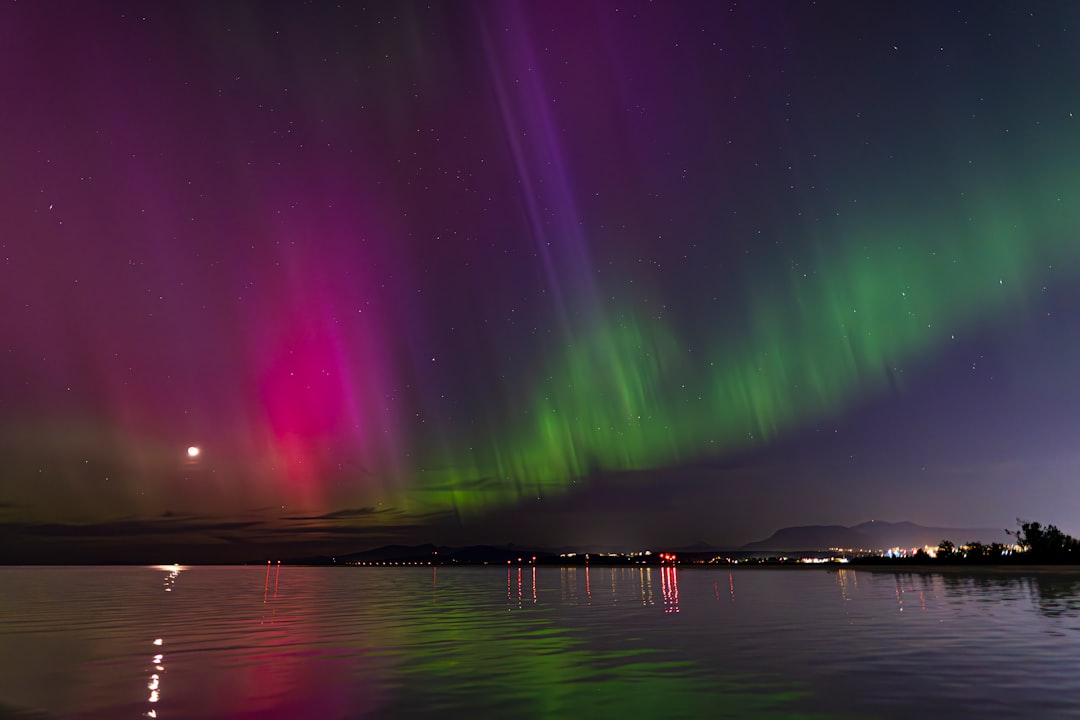
The aurora borealis, or northern lights, is a breathtaking phenomenon that attracts thousands of sky gazers in the United States each year. As solar activity increases, so does interest in aurora forecasting. Whether you’re an avid adventurer or a casual observer, understanding how to interpret aurora forecasts can enhance your experience. In this blog post, we’ll dive deep into what aurora forecasts entail, where to find them, and how to maximize your chances of seeing this stunning display.
What is Aurora Forecasting?
Aurora forecasting involves predicting the chances of seeing auroras based on solar activity and geomagnetic conditions. Solar storms emit charged particles that collide with Earth’s atmosphere, creating the mesmerizing light displays that we associate with auroras. By monitoring solar wind speed, density, and the interplanetary magnetic field (IMF), experts can provide forecasts about when and where auroras are most likely to occur.
Where to Check Aurora Forecasts
There are several reliable sources for tracking aurora forecasts in the United States:
- Noaa.gov: The National Oceanic and Atmospheric Administration offers real-time aurora forecasts based on satellite observations.
- SpaceWeather.com: This site offers daily updates and tips for aurora watchers, including active alerts.
- Aurora Service: A dedicated platform for aurora enthusiasts that provides localized forecasts and active alerts.
- Apps: Mobile applications like “Aurora Alerts” and “My Aurora Forecast” give users notifications and real-time updates right to their phones.
Best Locations to View Auroras in the U.S.
While auroras can be seen in various parts of the U.S., certain locations offer better opportunities:
- Alaska: Fairbanks is often regarded as the aurora capital of the U.S. due to its proximity to the magnetic pole.
- Montana: The northern regions, including Glacier National Park, offer stunning views during strong auroral activity.
- North Dakota: Places like Minot provide clear, dark skies ideal for aurora viewing.
- Washington: The northern Cascade Mountains can provide excellent scenarios for viewing if conditions align.
Understanding the KP Index
The KP index is crucial to understanding aurora forecasts. It ranges from 0 to 9, with higher numbers indicating stronger geomagnetic activity:
- Kp 0-1: No visible auroras.
- Kp 2-3: Possible auroras visible near the magnetic poles.
- Kp 4-5: Auroras can be seen in northern states like Montana and North Dakota.
- Kp 6-9: Auroras likely visible as far south as the Midwest and Northeast.
Planning Your Aurora Viewing Trip
To maximize your chances of witnessing an aurora, consider the following tips:
- Check the Forecast: Always consult aurora forecasts a day or two in advance for the best chances.
- Pick Remote Areas: The further you are from city lights, the better your chances.
- Stay Up Late: The best time to view the northern lights is usually between 10 PM and 2 AM.
- Be Patient: Sometimes, it takes a little while for auroras to materialize, so find a cozy spot and enjoy the night sky.
Conclusion
The charm of the aurora borealis draws countless visitors each year, with aurora forecasting making the experience even more rewarding. Leveraging reliable forecasts and knowing the right locations and times to view the lights can make all the difference. As solar activity rises, who knows, you could witness one of nature’s most awe-inspiring spectacles!
Read Also:
2023 NFL Draft Mock Drafts: What to Expect This Season
Source:
Google Trends
{“@context”:”https://schema.org”,”@type”:”FAQPage”,”mainEntity”:[{“@type”:”Question”,”name”:”What is an aurora forecast?”,”acceptedAnswer”:{“@type”:”Answer”,”text”:”An aurora forecast predicts the likelihood of witnessing the aurora borealis based on solar activity and geomagnetic conditions.”}},{“@type”:”Question”,”name”:”How can I check aurora forecasts?”,”acceptedAnswer”:{“@type”:”Answer”,”text”:”You can check aurora forecasts on sites like NOAA, SpaceWeather.com, or use dedicated mobile apps for real-time updates.”}}]}