


Understanding Climate Change: A Growing Concern in the United States
Understanding Climate Change: A Growing Concern in the United States
Climate change has become a pressing issue in the United States, affecting every aspect of life from the economy to public health. As temperatures rise, extreme weather events become more frequent, and the impact is felt by communities across the country.
What is Climate Change?
Climate change refers to significant changes in global temperatures and weather patterns over time. While climate change is natural, scientific evidence shows that human activities, particularly the burning of fossil fuels, are accelerating this process.
The Impact of Climate Change in the U.S.
In the U.S., climate change is causing widespread consequences. From devastating hurricanes in the Gulf of Mexico to wildfires in California, the effects of climate change are being felt in every region. The rise in sea levels threatens coastal cities while droughts and heatwaves challenge agricultural practices.
Extreme Weather Events
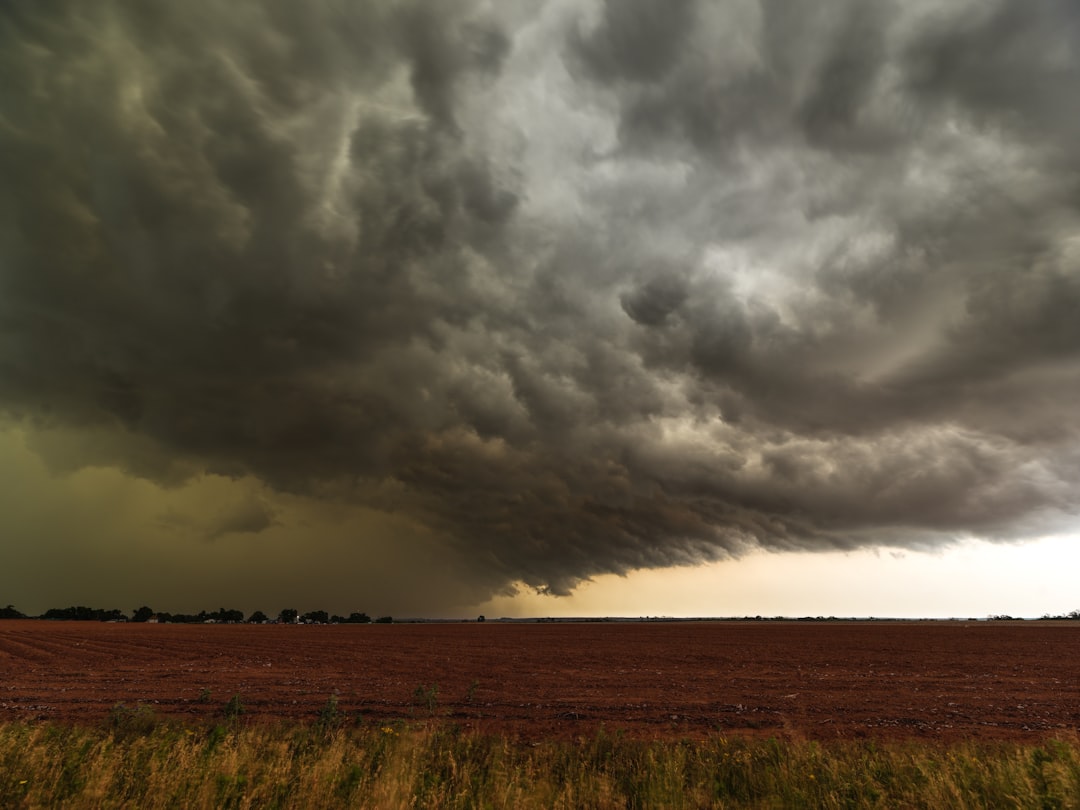
In recent years, the United States has experienced a surge in extreme weather events. Hurricanes have become more powerful, wildfires more widespread, and floods more devastating. According to the National Oceanic and Atmospheric Administration (NOAA), the frequency of billion-dollar weather disasters has been on the rise, costing taxpayers and businesses dearly.
Public Health Risks
Climate change does not just affect the environment; it directly impacts public health. Increased temperatures can lead to heat-related illnesses, while worsening air quality contributes to respiratory issues. In addition, changing climates can expand the range of disease-carrying insects, leading to outbreaks of illnesses like Lyme disease and West Nile Virus.
Taking Action Against Climate Change
Addressing climate change requires action from individuals, businesses, and governments. Here are some ways to combat this global issue:
Reducing Carbon Footprint
Individuals can take steps to reduce their carbon footprint by using public transportation, adopting energy-efficient appliances, and embracing renewable energy sources. Supporting local and sustainable products can also contribute to a reduction in emissions.
Government Regulations
On a larger scale, government regulations are crucial in mitigating climate change. Policy changes aimed at reducing greenhouse gas emissions, investing in renewable energy, and promoting sustainability can have a significant impact. Incentives for businesses to adopt greener practices are also essential.
Education and Awareness
Educating the public about climate change and its effects is vital. Schools, organizations, and communities can play a key role in spreading awareness and encouraging action. The more people understand the importance of tackling climate change, the more likely they are to engage in positive changes.
Conclusion
Climate change is no longer a distant concern; it’s an immediate challenge that requires urgent attention. By taking collective action—whether through policy changes, education, or lifestyle adjustments—we can work towards a more sustainable future. The time to address climate change is now, and the responsibility lies with all of us.
Read Also:
Exploring the Rise of Artificial Intelligence in the United States
Source:
Google Trends
{“@context”:”https://schema.org”,”@type”:”FAQPage”,”mainEntity”:[{“@type”:”Question”,”name”:”What are the main causes of climate change?”,”acceptedAnswer”:{“@type”:”Answer”,”text”:”The main causes of climate change include the burning of fossil fuels, deforestation, and industrial activities, which increase greenhouse gas emissions.”}},{“@type”:”Question”,”name”:”How does climate change affect weather patterns?”,”acceptedAnswer”:{“@type”:”Answer”,”text”:”Climate change leads to more extreme weather events, including stronger hurricanes, longer droughts, and increased flooding, disrupting natural patterns.”}}]}